Need termite treatment help in Alexandria?
Tell us what you are seeing at home. Send a request and we will point you to a local provider in our network. There is no obligation.
No obligation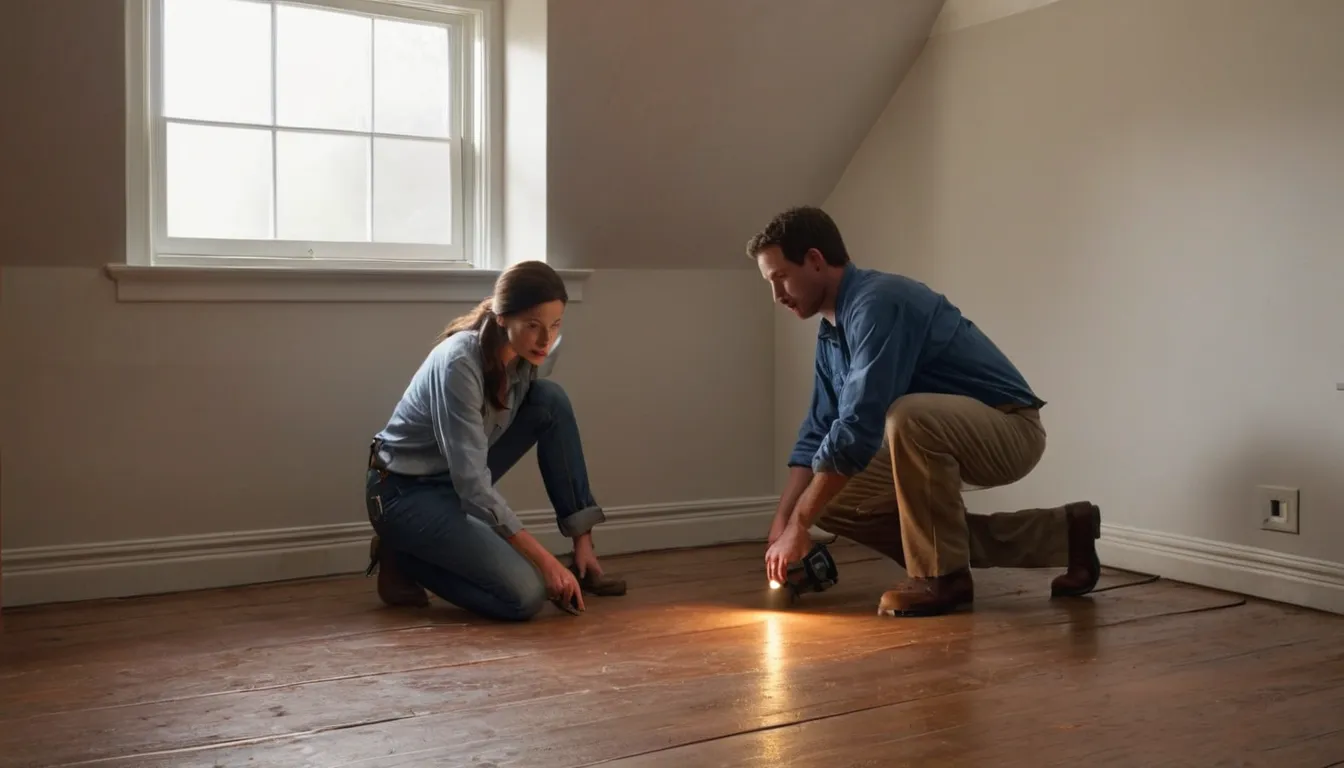
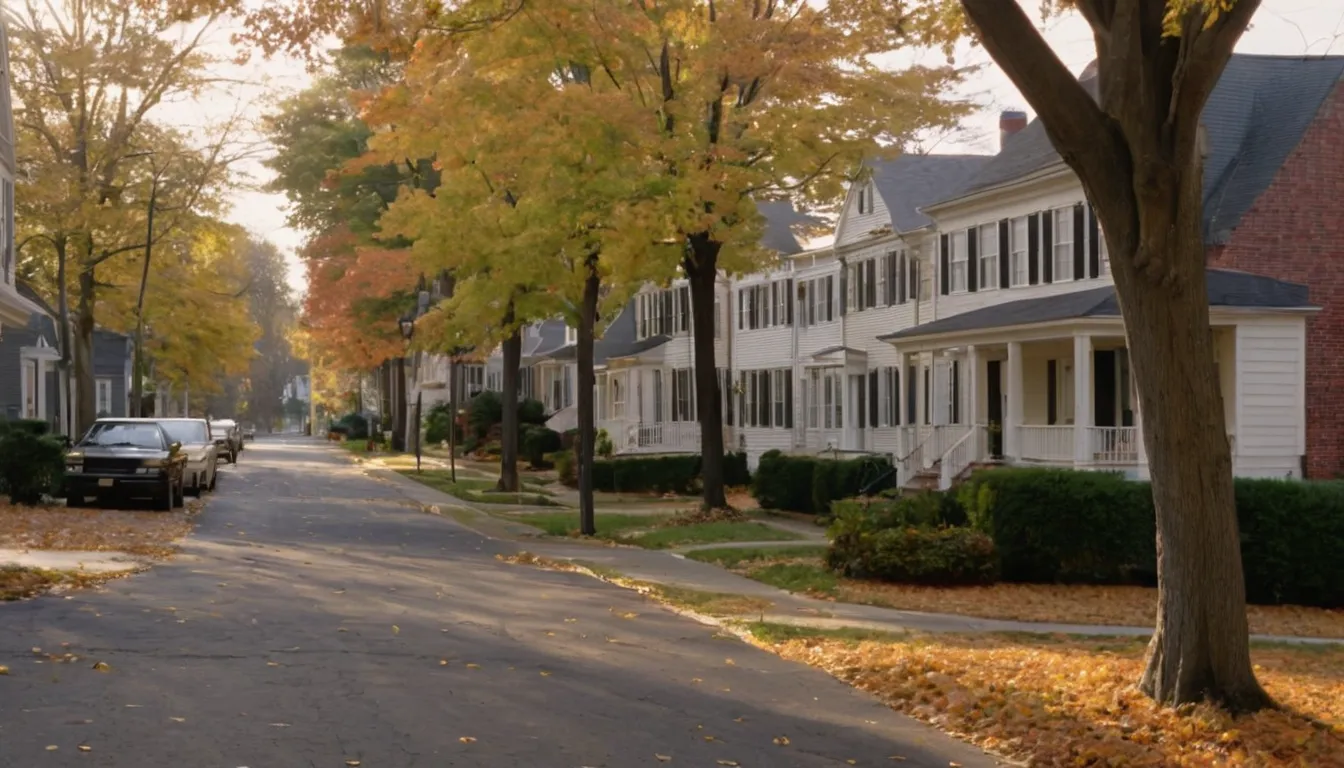
Termites live out of sight, often inside walls, floor joists and basement beams. By the time a homeowner spots a mud tube or a pile of wings, the colony may have been feeding for months. Humid summers and damp basements in the Alexandria area give them plenty of help.
Integrationbasic Pest Control is a referral service. We do not inspect or treat homes. We explain how termite damage grows from the first hours to the first weeks, then connect you with independent providers in our network. A local provider can confirm the species, show you what they find, and give you a written quote. You compare, then you decide.
Found wings on a windowsill or a soft spot in a baseboard? Start with the clock. Termites feed day and night, and the date you notice a sign is rarely the date the trouble began. What you do in the next few hours and days shapes how big the job becomes.
Take photos. Note the room, the spot and the time. Leave the area alone. Spraying store-bought products or breaking open the wood can scatter the insects and make them harder to find later.
Check the basement first. Look at sill plates, joists, and the spots where pipes enter the wall. Older cast-iron and galvanized lines can sweat or leak, and damp wood draws termites. Write down what you see so a provider can start with real clues.
These pencil-width tunnels of dirt run along foundation walls, piers and beams. They give subterranean termites a protected path from soil to wood.
Winged termites often appear on warm, humid days in spring. Small piles of clear, equal-sized wings near windows or doors suggest a mature colony close by.
Tap baseboards, door frames and joists with a screwdriver handle. A papery, hollow sound, sagging paint or tiny pinholes can point to feeding inside.
A young colony keeps eating along the grain, usually where you cannot see. Damage is often still shallow, and treatment may be simpler and smaller in scope.
Over a few seasons, a colony grows and may spread to more rooms. Nor'easter moisture, wet crawl spaces and summer humidity can speed things along. Floors may sag, doors may stick, and repairs can grow from a patch to a rebuild.
These live in soil and travel up through foundations and cracks. They are the most common type in many regions with four seasons, including colonial and split-level homes with basements.
Drywood termites live inside dry wood and leave tiny pellets. Dampwood termites prefer wet, rotting timber. A provider can tell which one you have, and the species decides the plan.
Trenching, drilling, bait systems and fumigation need trained hands and licensed products. Over-the-counter sprays rarely reach a hidden colony. A provider uses tools to find moisture and tunnels you cannot see.
A provider checks the foundation, basement, attic and crawl space. Expect a report with findings, photos and a proposed plan.
Common choices include a liquid soil barrier, bait stations, or spot or whole-structure treatment for drywood. Ask which option fits your home and why.
Buyers and lenders often ask for a written termite report. Schedule it early, because findings can change the timeline. If a provider finds activity, you can request an estimate for treatment before closing.
Match, then decide. Ask for a written quote, the product or method, the length of any warranty offered by the provider, and what is and is not covered. Compare two or three. Searching for an exterminator near me is a fine start, and residential pest control providers in our network can talk you through the options.
Keep basements dry, keep wood away from soil, and watch for new mud tubes or wings. Many providers suggest yearly checks. Some policies may cover sudden damage, so check your policy, and providers can often help document damage for a claim.
A provider checks the basement, crawl space, foundation and attic for live activity and moisture.
Knowing the termite type decides which treatment fits your home.
You receive the method, the areas covered and the price in writing.
Many providers offer return visits to confirm the treatment is holding.
Prices vary by home size, termite type, and how far the damage has spread. These are typical U.S. ranges. Get a written quote from each provider before you agree to anything.
| Service | Typical range | Notes |
|---|---|---|
| Termite inspection | $75 – $300 | Often a written report; some providers apply it to treatment |
| Liquid soil barrier | $1,200 – $2,500 | Based on linear feet around the foundation |
| Bait station system | $1,500 – $3,500 | Monitoring visits may add to the price |
| Drywood spot treatment | $250 – $900 | Works for small, confined areas |
| Whole-structure fumigation | $2,000 – $8,000 | Needs you to leave home for a few days |
| Wood repair after damage | $500 – $5,000 | Depends on how many beams or boards are affected |
Take clear photos of wings, mud tubes or damaged wood and note where they were.
Tell us about your home and we connect you with providers.
Read each written quote, method and warranty term side by side.
Pick a provider, set a visit, and ask how to prepare.
Colonies feed inside walls and beams, so harm can spread long before anything shows.
Basements, rowhouses and aging plumbing create damp wood that termites find easily.
Warm, humid weather brings swarmers, which can start new colonies near your house.
Earlier action can mean smaller repairs and less work.
Tell us what you are seeing at home. Send a request and we will point you to a local provider in our network. There is no obligation.
No obligationTermites have straight antennae, a thick waist and equal-length wings. Ants have bent antennae and a pinched waist. If you are unsure, save a sample in a jar and show a provider for identification.
Store-bought sprays may kill a few insects you can see, but rarely reach the colony hidden in wood or soil. Most homeowners are better off having a provider inspect and treat the house.
As soon as you notice mud tubes, wings or hollow wood. Many providers can respond quickly. Request a callback to check provider availability in your area.
Tell us what you are seeing at home. Send a request and we will point you to a local provider in our network. There is no obligation.
No obligation